
Tibet · Shigatse / Lhasa · Tour
Kathmandu to Lhasa Overland Group Tour
8 days · Gyirong border · Everest North Base Camp · fly back · max 12
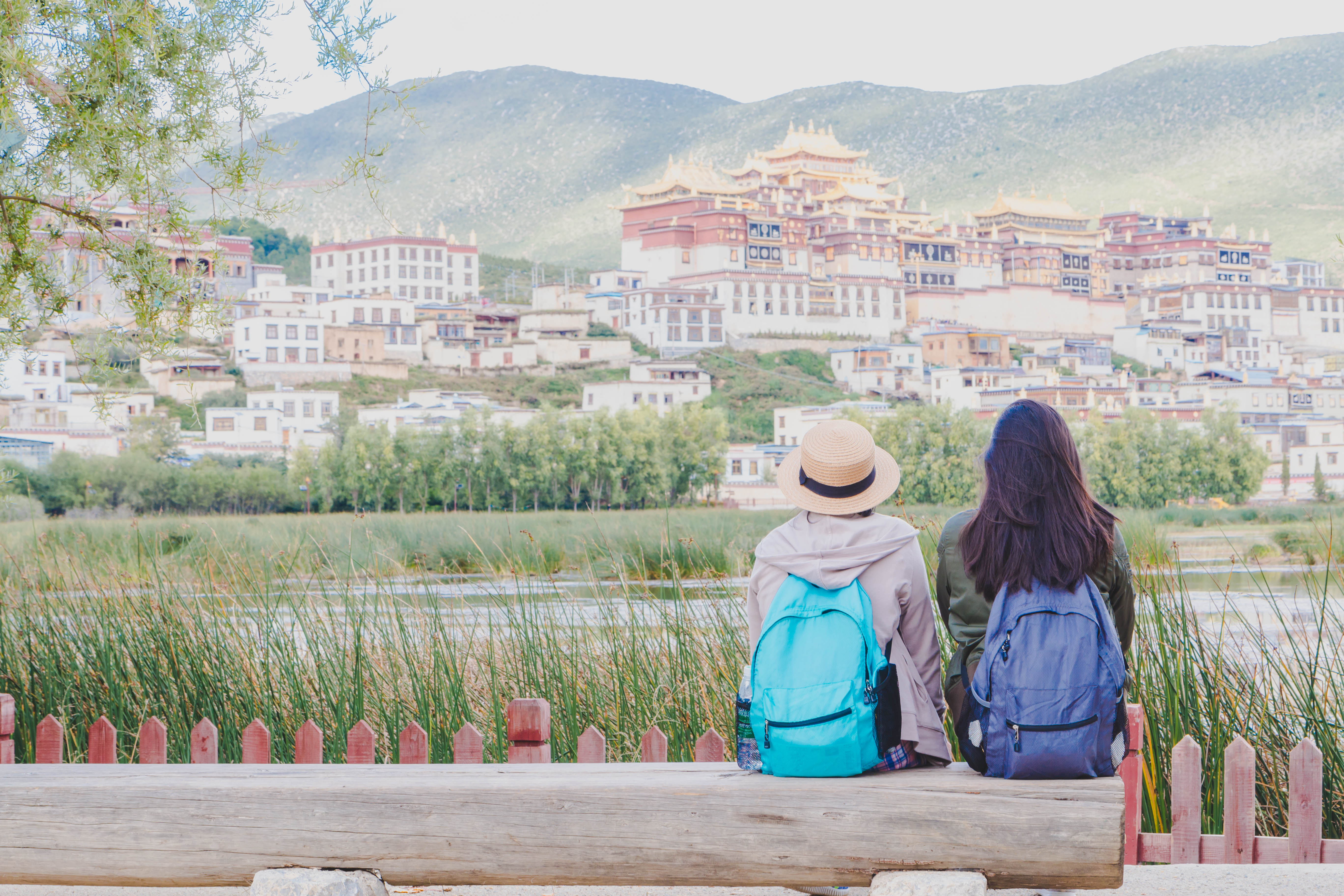
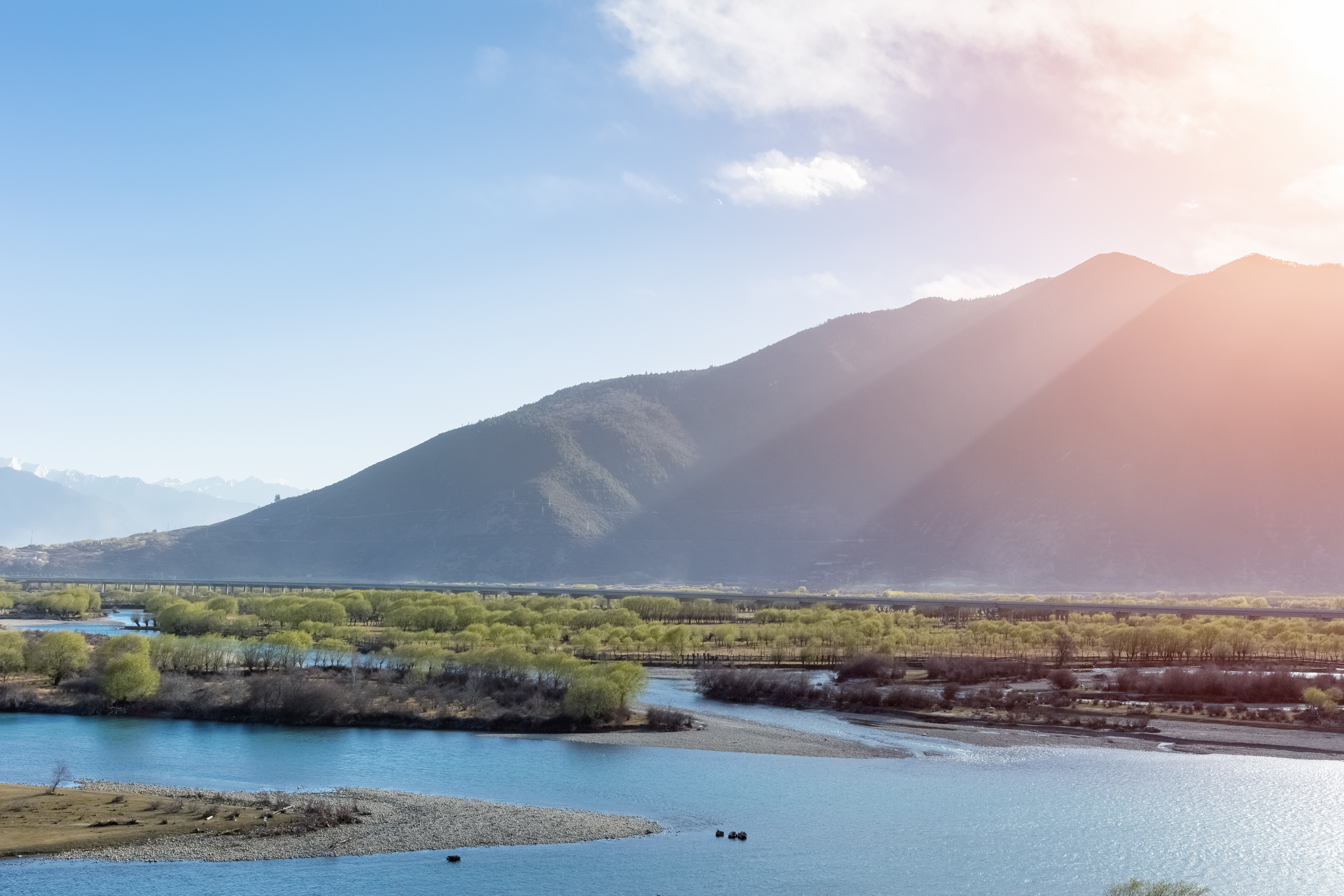
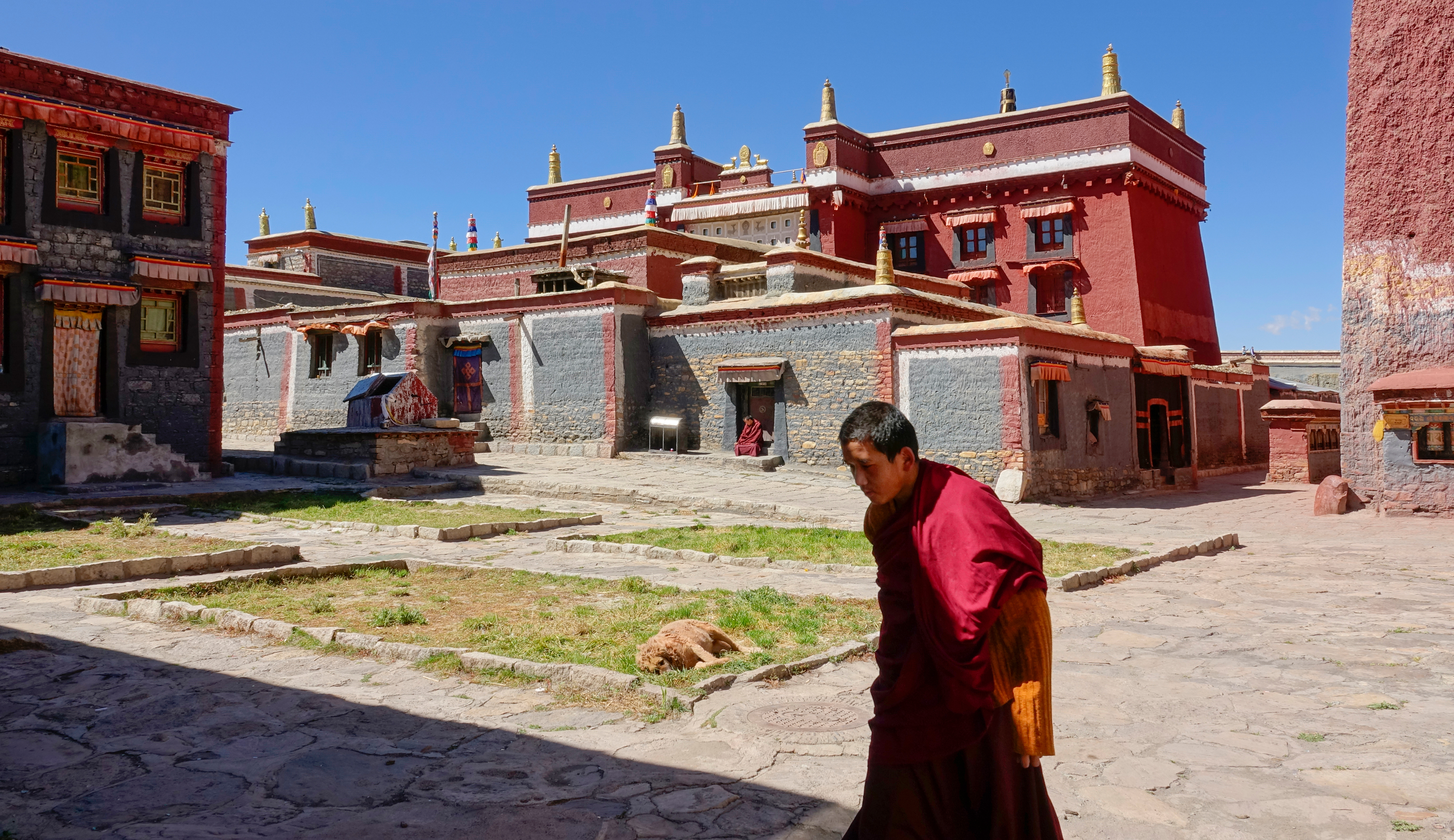
- Duration
- 8 days
- Group size
- 2–12
- Difficulty
- Moderate · 3/5
- Highest point
- 5,248 m
Is this your kind of journey?
The published itinerary covers 8 of the 8 days in detail, typically 0.5–2.5 hours of walking a day, with kathmandu business hotel accommodation. Read the day-by-day route and preparation information below to judge whether this journey suits you.
Explore fitness and preparation ↗Itinerary at a glance
8 days, day by day
Highest night 4,980 m · longest walking day 2.5 h
- Day 1Arrive Kathmandusleep 1,400 m
- Day 2Kathmandu briefing and half-day old city2 h walking · 3 km · sleep 1,400 m
- Day 3Kathmandu to Rasuwagadhi and Gyirong0.5 h walking · 1 km · sleep 2,700 m
- Day 4Gyirong to Old Tingri over the Gyirong ridgesleep 4,300 m
- Day 5Tingri to Rongbuk and Everest North Base Camp1 h walking · 3 km · sleep 4,980 m
- Day 6Rongbuk to Shigatse via Gyatso La1.5 h walking · 3 km · sleep 3,840 m
- Day 7Shigatse to Gyantse, Karo La, Yamdrok Tso and Lhasa1 h walking · 2 km · sleep 3,650 m
- Day 8Potala Palace, fly Lhasa to Kathmandu2.5 h walking · 4 km · sleep 1,400 m
The journey
More than a destination.
A journey through Shigatse / Lhasa.
The Kathmandu to Lhasa Overland Group Tour takes eight days to do what the flight does in ninety minutes, and that is the point. You cross the border on foot at Gyirong, climb onto the plateau over two passes above 5,000 m, sleep below the north face of Everest at Rongbuk, and arrive in Lhasa by road along the Friendship Highway with Gyantse, Yamdrok Tso and the Karo La glacier behind you. Then you fly home over the same mountains in an afternoon.
It is a small group tour, twelve people at most, in one vehicle with one Tibetan guide from the border to Lhasa. Prices are per person twin-share and every published date runs once two people book.
- ✓3 nights Hotel Moonlight, Thamel (3-star) or similar, twin-share with breakfast
- ✓1 night Kyirong Hotel, Gyirong (basic) or similar, twin-share with breakfast
- ✓1 night Everest Snow Leopard Hotel, Old Tingri (basic) or similar, twin-share with breakfast
- ✓1 night Rongbuk Monastery guesthouse, shared rooms, with breakfast
- See all inclusions and exclusions ↗
Highlights
- •Cross the Gyirong border on foot over the Trishuli bridge
- •Two passes above 5,000 m: the Gyirong ridge and Gyatso La (5,248 m)
- •Everest North Base Camp viewpoint and a night at Rongbuk, 4,980 m
- •Gawula pass panorama of Everest, Lhotse, Makalu and Cho Oyu
- •Tashilhunpo Monastery, seat of the Panchen Lama, in Shigatse
- •Gyantse Kumbum, the Karo La glacier and the turquoise Yamdrok Tso
- •Potala Palace on a group timed ticket before the flight home
- •Max 12, guaranteed at 2, group visa handled in Kathmandu
Itinerary
Day 1Arrive Kathmandusleep 1,400 m
Our driver meets you at Tribhuvan airport on the group transfer time and takes you into Thamel, 20 minutes across town. Hand your passport to the desk if it isn't with us already, then rest. Nothing is planned. If you want a stretch after the flight, the Swayambhunath stupa is a 15-minute taxi ride and 365 steps up, a fair warm-up for the week. Late arrivals are checked in by the night porter and caught up at the morning briefing. Eat in Thamel tonight; the desk has a list of places that don't charge tourist prices.
Overnight: Kathmandu Business Hotel .
Day 2Kathmandu briefing and half-day old city2 h walking · 3 km · sleep 1,400 m
The group meets at 9 a.m. in the hotel garden. Our Tibet desk hands back passports with the group visa sheet, walks through the border sequence, the altitude plan and what the Rongbuk guesthouse is really like. One hour. Then a guided three-kilometre walk through Durbar Square and the Asan spice bazaar, back by 1 p.m. The afternoon is free for last shopping; buy snacks and any medication now, because the Tibet side has little until Shigatse. Duffels are weighed at 5 p.m. We host dinner at 7, the one shared meal in Kathmandu, and set the 6 a.m. departure.
Meals: Breakfast . Overnight: Kathmandu Business Hotel.
Day 3Kathmandu to Rasuwagadhi and Gyirong0.5 h walking · 1 km · sleep 2,700 m
A 6 a.m. start and the longest day of the Nepal side. The road follows the Trishuli north for 150 km, tarmac to Syabrubesi and rough gravel after it, six to seven hours with a tea stop at Dhunche. At Rasuwagadhi the group queues together for Nepali exit stamps, walks the bridge over the river, and goes through Chinese immigration with a full bag scan. Clocks jump two hours fifteen minutes to Beijing time. Our Tibetan guide meets you on the far side and drives the 25 km up the gorge to Gyirong town. Cold showers are com
Meals: Breakfast. Overnight: Tourist Standard Hotel.
Day 4Gyirong to Old Tingri over the Gyirong ridgesleep 4,300 m
The day the plateau begins. The road climbs out of the pine gorge in long switchbacks to the Gyirong ridge pass at around 5,100 m, where Shishapangma stands over the turquoise Peiku Tso, then runs east across open grassland for 260 km, six to seven hours. The jump from 2,700 m to 4,300 m is the biggest altitude gain of the tour and this direction does it faster than the reverse tour. The guide runs an oximeter round at the Tingri guesthouse and again before bed, and holds the group to water, no alcohol and early sleep. Tingri is bleak, windy and the best sunset on Cho Oyu you'll get.
Meals: Breakfast. Overnight: Tourist Standard Hotel .
Day 5Tingri to Rongbuk and Everest North Base Camp1 h walking · 3 km · sleep 4,980 m
Everest day. From Tingri the road turns south through Shelkar to the Gawula pass at 5,198 m, where the whole north wall lines up: Makalu, Lotse, Everest, Cho Oyu and Shishapangma. Four hours to Rongbuk Monastery, the highest in the world, and its guesthouse at 4,980 m. After lunch the park eco-bus takes the group the last few kilometres to the base camp viewpoint at 5,200 m, a flat 30-minute walk to the marker and back. Rongbuk is cold, the rooms are shared and the toilets are outside. The guide does two oximeter checks and carries oxygen in the vehicle.
Meals: Breakfast. Overnight: Local Guest House .
Day 6Rongbuk to Shigatse via Gyatso La1.5 h walking · 3 km · sleep 3,840 m
Sunrise on the north face from the guesthouse door, then the longest drive of the tour: 340 km and about seven hours. The road rejoins the Friendship Highway at Lhatse and climbs to Gyatso La at 5,248 m, the highest point you reach, marked by prayer flags and a wind that takes hats. Then it drops steadily through barley country to Shigatse, Tibet's second city, and the group breathes easier at 3,840 m. Late afternoon at Tashilhunpo Monastery, the seat of the Panchen Lama, for the 26-metre Maitreya statue and the kora around the outer wall. The first hot shower since Gyirong.
Meals: Breakfast. Overnight: 3 Star Hotel .
Day 7Shigatse to Gyantse, Karo La, Yamdrok Tso and Lhasa1 h walking · 2 km · sleep 3,650 m
Ninety kilometres of flat valley to Gyantse for the Pelkor Chode monastery and the nine-storey Kumbum stupa, climbed to the top for the view over the old town. Lunch in Gyantse, then the road climbs to the Karo La at 5,010 m with the glacier hanging above the tarmac, and drops to the long turquoise arm of Yamdrok Tso. The Kamba La at 4,794 m gives the last look back at the lake before the descent to the Lhasa valley. About 360 km and eight hours in total, arriving in the Barkhor quarter by early evening. The guide books the Potala slot for tomorrow morning.
Meals: Breakfast. Overnight: 3 Star Hotel.
Day 8Potala Palace, fly Lhasa to Kathmandu2.5 h walking · 4 km · sleep 1,400 m
The earliest Potala slot of the day. The group leaves the hotel 20 minutes before its timed entry and climbs the 400-plus steps in stages; one hour inside the Red and White Palaces is the rule. Then a single clockwise lap of the Barkhor and a look into the Jokhang courtyard before the vehicle leaves for Gonggar, an hour's drive, for the afternoon flight. Ninety minutes later you land in Kathmandu, having crossed by air the whole road you drove. Group transfer to Thamel for the last night. The tour ends after breakfast tomorrow; book international flights from the following day.
Meals: Breakfast. Overnight: Kathmandu Business Hotel.
Route map
Route map is sent with the itinerary PDF.
Dates & prices
No dates are open for booking right now. Ask us and we'll tell you the next release.
Prices per person, twin-share. Single room supplement $350. 25% deposit at booking; balance due 60 days before departure.
What's included
- ✓3 nights Hotel Moonlight, Thamel (3-star) or similar, twin-share with breakfast
- ✓1 night Kyirong Hotel, Gyirong (basic) or similar, twin-share with breakfast
- ✓1 night Everest Snow Leopard Hotel, Old Tingri (basic) or similar, twin-share with breakfast
- ✓1 night Rongbuk Monastery guesthouse, shared rooms, with breakfast
- ✓1 night Gesar Hotel, Shigatse (3-star) or similar, twin-share with breakfast
- ✓1 night Yak Hotel, Lhasa (3-star) or similar, twin-share with breakfast
- ✓Group welcome dinner in Kathmandu on the briefing evening
- ✓Private group vehicle Kathmandu to Rasuwagadhi with driver
- ✓Private group vehicle with driver from Gyirong to Lhasa and to Gonggar airport
- ✓Lhasa–Kathmandu scheduled economy flight, taxes included
- ✓English-speaking licensed Tibetan guide from the Gyirong border to Lhasa airport
- ✓Half-day guided walk of old Kathmandu (Durbar Square and Asan) with a local guide
- ✓Tibet Travel Permit (Tibet Tourism Bureau) and Alien Travel Permit for the Shigatse and Everest region, arranged by our desk
- ✓Tibet group visa processing at the Chinese Embassy, Kathmandu (embassy fee excluded)
- ✓Everest region entry fee and the park eco-bus to the base camp viewpoint
- ✓Entrance fees: Rongbuk Monastery, Tashilhunpo, Pelkor Chode and Kumbum, Potala Palace (group timed ticket)
- ✓Kathmandu airport transfers on the published group transfer times
- ✓Oxygen cylinder in the vehicle, first-aid kit and pulse oximeter carried by the guide
- ✓Bottled water in the vehicle in Tibet
- ✓Duffel bag on loan, 15 kg limit
Not included
- –International airfare to and from Kathmandu
- –Travel insurance covering medical treatment and helicopter or air evacuation from Tibet up to 5,300 m — a booking requirement, not optional
- –Nepal visa on arrival (USD 30 for 15 days at the time of writing, verify)
- –Tibet group visa fee charged by the Chinese Embassy, Kathmandu — varies by nationality and processing speed, paid in cash at our desk
- –Single supplement if a single room is taken (not available at Rongbuk)
- –Lunches and dinners other than the Kathmandu welcome dinner
- –Pre-tour nights in Kathmandu needed for the passport deadline (Hotel Moonlight or similar, from USD [ ] per night twin-share)
- –Personal expenses: laundry, phone data, drinks, souvenirs
- –Tips for the Tibetan guide and drivers — the group usually pools USD 8–10 per person per day
- –Photography fees inside chapels where charged (typically CNY 20–50, verify)
- –Hot-shower and heater charges at Rongbuk and Tingri where the guesthouse levies them
- –Transfers outside the published group times
- –Extra nights caused by border delay, road closure or flight cancellation beyond our control
- –Optional Lhasa extension nights before the flight home (priced on request per date)
Travel information
Best time to visit
The Kathmandu to Lhasa Overland Group Tour departs from April to early November, the window when the Gyirong border and the Friendship Highway passes are reliably open and Tibet admits foreign travellers. Tibet closes to foreigners from late February through most of March every year, and from mid-November the Gyirong ridge and Gyatso La can shut for days after snow, so we don't run winter dates.
April, May and October give the clearest Everest views from the Gawula pass and Rongbuk, with cold nights below freezing at base camp. June to early September is warmer and greener along the Trishuli but brings monsoon cloud on the Nepal side and afternoon haze at Everest, so the mountain shows itself less often. The Nepal road to Rasuwagadhi is also at its worst in August after landslides. Saga Dawa, in May or June by the lunar calendar, fills Tashilhunpo and the Barkhor with pilgrims; ask us for the date.
Difficulty & fitness
This is graded 2, moderate, and the grade is about altitude and hours in a vehicle, not walking. The longest walking day is the Potala and Barkhor morning at around four kilometres; the base camp viewpoint is a flat 30-minute stroll. The longest driving day is Rongbuk to Shigatse at 340 km and about seven hours.
The real test is sleeping at 4,300 m on the second Tibet night and 4,980 m on the third, having been at 2,700 m two nights before. The reverse tour, which flies into Lhasa and drives down, acclimatises better. On this direction most people get a headache and poor sleep at Tingri and Rongbuk, then recover at Shigatse.
The guide sets the pace, runs oximeter checks at every altitude gain, and can hold a traveller in the vehicle at a monastery or move the group on early if someone is struggling. Descent options are real: Gyirong is a five-hour drive back from Tingri, and Shigatse is lower than everything before it. Fitness needed: 400 stairs slowly at the Potala. Anyone with heart or lung conditions should ask a doctor before booking.
Accessibility & dietary needs
A shared-group format fixes the dates, the vehicle pace and twin-share rooms, and on this route it also fixes two nights in basic guesthouses with shared or outside toilets. There is no upgrade available at Rongbuk. Travellers who cannot manage a night without a private bathroom should look at the reverse direction, where the Everest night can be skipped by staying in Shigatse, or at a private trip.
Vegetarians manage well from Shigatse onward: vegetable momos, thenthuk noodle soup, tsampa and Sichuan tofu dishes are everywhere. Between Gyirong and Rongbuk the choice is thin, mostly noodles, egg-fried rice and instant food, so we ask vegans and anyone gluten-free to carry two days of their own snacks. Jain meals need a day's notice and are only realistic in Kathmandu and Lhasa.
Mobility: the vehicle is a step-in minibus or 4WD with no lift. The Potala's 400 steps are unavoidable, Kumbum is nine storeys of ladders, and the Rongbuk guesthouse has no level access. This tour is not suitable for wheelchair users.
Health & safety
The itinerary climbs fast and we say so. Two nights at 1,400 m, one at 2,700 m, then 4,300 m and 4,980 m on consecutive nights before dropping to 3,840 m and 3,650 m. The Tingri and Rongbuk nights are where altitude sickness shows, and the guide runs pulse-oximeter checks on arrival and before bed at both, then each morning after. A traveller reading low or showing worsening headache, vomiting or breathlessness is not taken higher; the guide has the authority to keep someone in the vehicle, hold them at Tingri or drive them back towards Gyirong, and that decision is final.
The vehicle carries an oxygen cylinder from Gyirong to Lhasa. There is no hospital between Gyirong and Shigatse, and evacuation from Rongbuk means road descent first, so your insurance must cover medical care in China and helicopter or air evacuation to at least 5,300 m; we check the certificate at briefing.
Drink bottled or boiled water only, eat where the guide eats, and see your doctor four weeks before travel about acetazolamide.
Local etiquette
Everything sacred on this route is passed clockwise: the Tashilhunpo kora, the Rongbuk chortens, the Barkhor. Hats off inside chapels, shoulders and knees covered, never step over a monk or point your feet at an altar. At the Kumbum in Gyantse the ladders are steep and pilgrims have priority; let them pass.
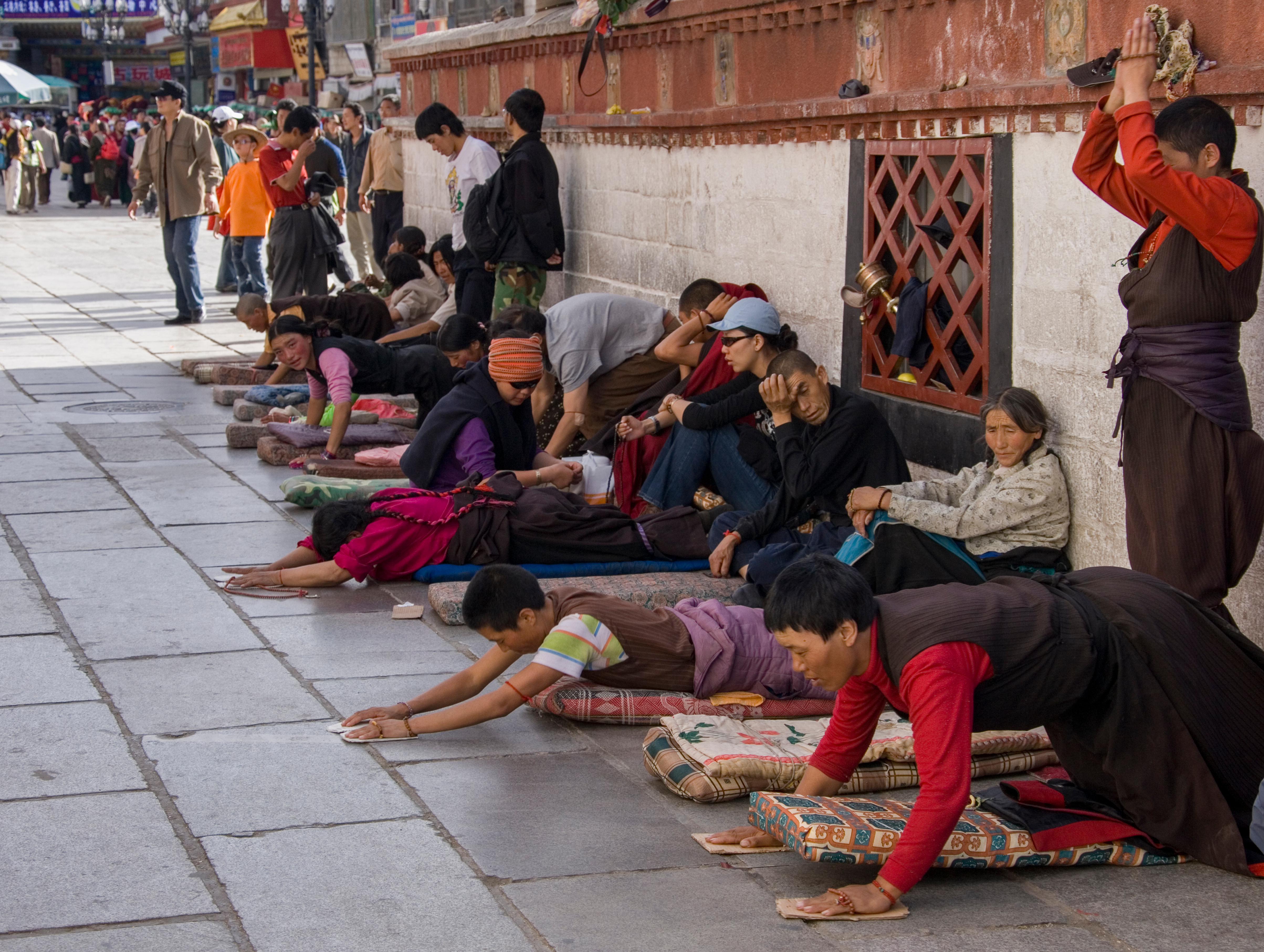
Photography inside chapels is forbidden or charged; the guide says which at each door. At the border and at the police checkpoints along the highway, cameras stay in bags and nobody photographs uniforms, vehicles or buildings. Photograph pilgrims prostrating from a distance and only after a nod.
Politics stays out of every conversation with the guide, the drivers and Tibetans you meet; a careless question can cost a licensed guide his permit. Images of the Dalai Lama and Tibetan-flag stickers are illegal in China and will be found in the Gyirong bag scan.
In a Tingri or Rongbuk dining room a group of twelve fills the place. Order together, let the guide handle it, and tip the guide and drivers as a pooled group on the last evening in Lhasa.
Travel documents & permits
Your passport needs six months' validity beyond the tour end and two blank pages. Nepal issues a tourist visa on arrival at Kathmandu airport; bring a photo and US dollars.
Entering Tibet from Nepal does not use an individual Chinese visa. Our Kathmandu desk first obtains a Tibet Travel Permit from the Tibet Tourism Bureau, which takes up to 20 working days, so we need a clear passport scan and your details 30 days before departure. The desk then adds an Alien Travel Permit for the Shigatse and Everest region. The Chinese Embassy in Kathmandu issues a Tibet group visa on one sheet listing every traveller, and requires the original passport, which it normally holds for three working days. That sets the four-working-day passport deadline at our desk before the border day. The group crosses at Gyirong together as listed on the sheet. An existing Chinese visa is not used for this entry; tell us if you hold one, because the embassy can cancel it.
The tour ends the morning after you land back in Kathmandu, so book international flights from the day after that. We arrange every permit.
Packing list
Everything we recommend bringing for this trip.
- Passport with six months' validity and two blank pages, plus a printed copy
- Printed travel insurance certificate showing evacuation cover to 5,300 m
- Two passport photos on white background for the visa form
- Four-season sleeping bag or liner for Rongbuk: the guesthouse quilts are thin
- Down jacket for Rongbuk and the passes, even in July
- Thermal base layers, top and bottom
- Fleece or mid-layer and a windproof shell
- Warm hat, gloves and a buff for the Gyatso La wind
- Sun hat, high-SPF sunscreen and glacier-grade sunglasses
- Comfortable walking shoes with grip for cobbles and monastery stairs
- Lip balm and moisturiser; the plateau air cracks skin in a day
- Reusable water bottle, one litre, plus a thermos for the drive days
- Wet wipes and hand sanitiser for the two guesthouse nights without hot water
- Small daypack for the vehicle
- Earplugs: shared rooms at Rongbuk and thin walls at Gyirong
- Padlock for the duffel
- Headtorch for Rongbuk's outside toilets and power cuts
- Personal medication in original packaging with a doctor's letter
- Diamox if your doctor recommends it, started before the border day
- Motion-sickness tablets for the switchbacks out of Gyirong
- Cash: Nepali rupees, Chinese yuan and some US dollars; cards rarely work in Tibet
- Power adaptor for Chinese sockets (Type A / I) and a power bank
- Snacks you like: the Tibet side has little until Shigatse
- A scarf or shawl to cover shoulders in temples
Questions about this trip
How many people travel on the Kathmandu to Lhasa Overland Group Tour?
Never more than 12, and most departures run at six to nine. That fills one minibus or two 4WDs with one Tibetan guide, small enough to clear the Gyirong bag scan as a single group and share a Rongbuk dining table. The mix is usually solo travellers, a couple or two adding Tibet to Nepal, and a few returners who flew in last time and want to see the road.
Does the Kathmandu to Lhasa Overland Group Tour run with only two bookings?
Yes. Every date is guaranteed at two. Once two travellers hold seats, the vehicle, the guesthouses and the return flight are confirmed and the tour runs regardless of later numbers. We don't cancel for low bookings and we don't hand you to another operator's group. The only things that stop a date are the Gyirong border or Tibet closing, and then you move dates or take a full refund.
Should I take the Kathmandu to Lhasa overland tour uphill, or the Lhasa to Kathmandu version downhill?
Downhill acclimatises better, uphill costs less and ends with the flight over the range. Driving up from Gyirong you sleep at 4,300 m and 4,980 m on consecutive nights after one night at 2,700 m; the reverse tour gives you three nights in Lhasa first. If you've had altitude trouble before, take the reverse. If you want the road as the whole story, take this one.
Is the altitude gain on the Kathmandu to Lhasa Overland Group Tour too fast?
It is faster than we'd design for a trek, and we say so plainly. From Gyirong at 2,700 m you sleep at 4,300 m the next night and 4,980 m the night after. Most people get a headache and poor sleep at Tingri and Rongbuk, then settle at Shigatse. The guide runs oximeter checks at both high nights, carries oxygen in the vehicle, and will hold anyone back or drive them down.
Will I see Everest on the Kathmandu to Lhasa overland tour?
Usually, not always. The north face stands clear from the Gawula pass and from the Rongbuk guesthouse door on most April, May and October mornings. In the monsoon months the mountain often sits in afternoon cloud and shows itself, if at all, at dawn. We cannot guarantee a mountain, and no honest operator can. The base camp visit, the pass and the Rongbuk night happen whatever the weather.
Has the Gyirong border on the Kathmandu–Lhasa overland route closed before?
Yes, twice. The 2015 earthquake shut both Nepal–Tibet crossings, and Gyirong reopened to foreign group tours in 2017 as the only land route. It closed again in 2020 with the pandemic and reopened for tourists in 2023. Today it is the sole road entry from Nepal to Tibet. If it shuts during your booking, we move you to the fly-in Lhasa tour or refund in full; ask us for the current status before you book.
I'm travelling alone. Where do I sleep at Rongbuk on the Kathmandu to Lhasa overland tour?
In a shared room, like everyone else. The Rongbuk monastery guesthouse has multi-bed rooms with thick quilts and no single rooms, so the single supplement does not apply to that night and the whole group shares. On the other seven nights, solo travellers pay the twin-share price and are matched with a same-gender roommate, or take the single supplement for a private room. Nobody is forced to pair up.
Does the Kathmandu to Lhasa Overland Group Tour run in winter?
No. Tibet is closed to foreign travellers from late February through most of March, and from mid-November the Gyirong ridge and the Gyatso La can close for days after snowfall, with Rongbuk falling well below minus 15 °C at night. We run April to early November only. For a winter Tibet trip, the fly-in Lhasa tour is the safer product, and the reverse overland tour resumes with the first April dates.
Reviews
Reviews from the first departures of this trip will appear here.
You might also like
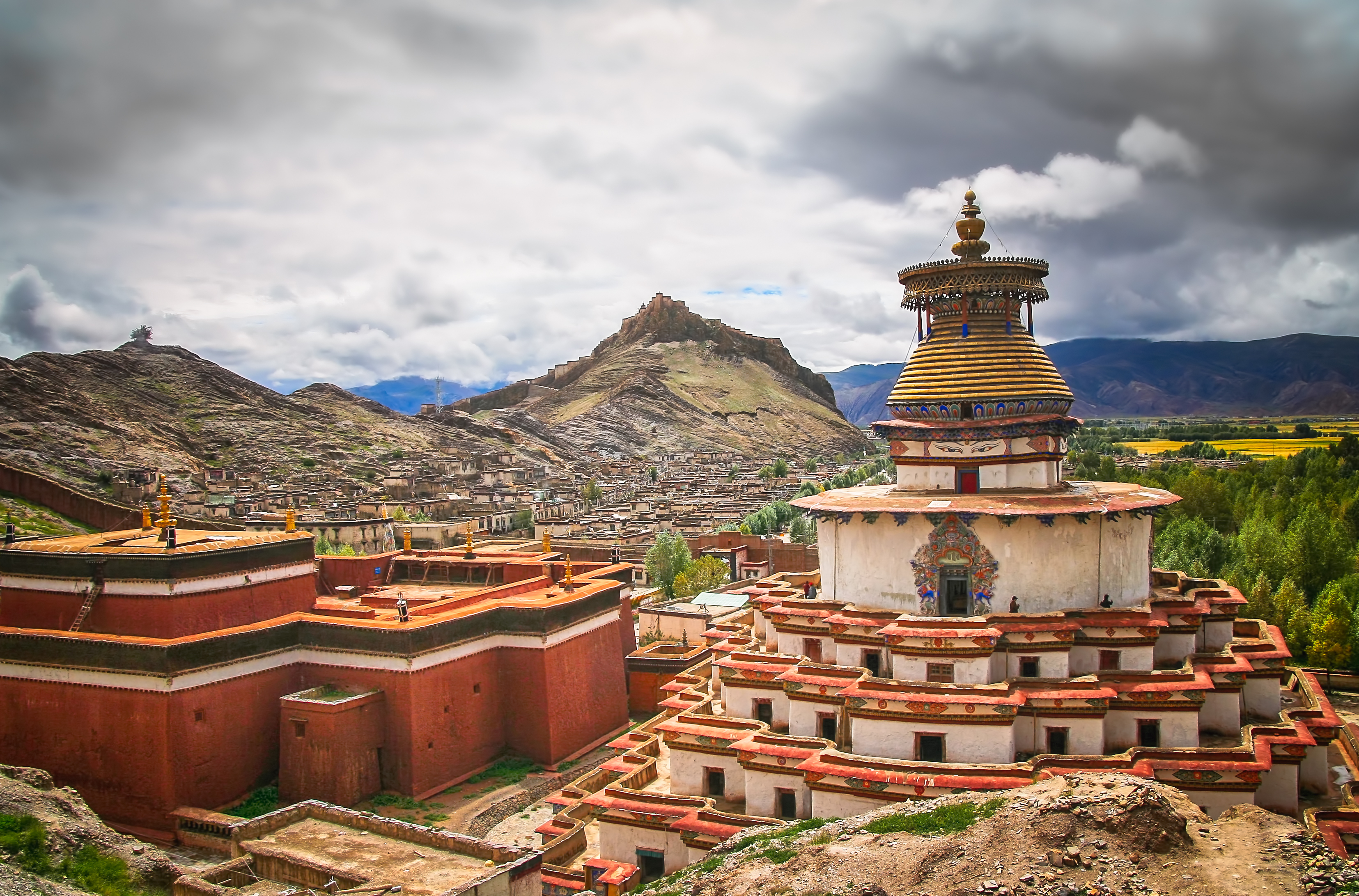
Tibet · 5 days · Moderate
Kathmandu to Lhasa Group Tour
The Kathmandu to Lhasa Group Tour is a 5-day small-group trip flying both ways between Nepal and Tibet, capped at 12 travelers and guaranteed to run with 2. Three days in Lhasa cover the Potala Palace, the Jokhang, the Barkhor kora, Drepung, and the Sera monk debate. Group visa handled by our Kathmandu desk.
Tibet · 9 days · Moderate
Lhasa to Kathmandu Overland Group Tour
The Lhasa to Kathmandu Overland Group Tour flies you into Lhasa for three days, then drives the Friendship Highway to Gyantse, Shigatse and Everest North Base Camp before descending to Nepal through the Gyirong border in 9 days. Small group of 12 at most, guaranteed to run with 2, group visa and permits from our Kathmandu desk.
Nepal · 14 days · Demanding
Everest Base Camp Group Trek
The classic 14-day Everest Base Camp trek in a group of no more than 12, with rest days at Namche and Dingboche and a dawn climb of Kala Patthar.